


Maintaining Peak Performance and Durability in Modern Ford Diesel Engines
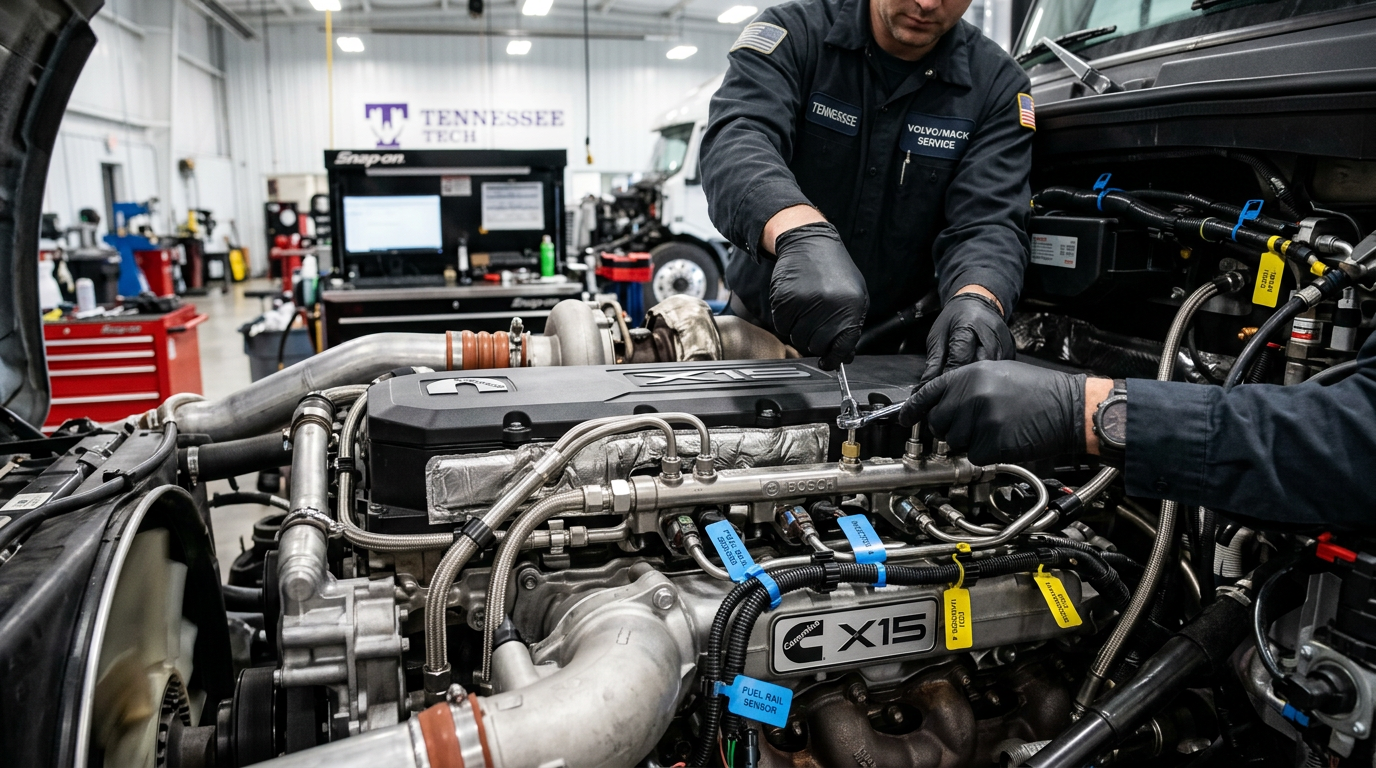
Diesel powerplants are engineered to handle grueling work cycles, but their advanced high-pressure fuel systems and complex emissions controls require precise upkeep to stay reliable. Modern diesel engines deliver exceptional torque and towing capabilities, making them the preferred choice for heavy-duty applications. However, the tight tolerances of high-pressure common-rail fuel injectors and diesel particulate filters mean that skipping routine maintenance can quickly lead to expensive repairs. Our team at Newton Ford South is dedicated to helping you protect your investment through professional, factory-specified preventative care.
To help local truck owners keep their vehicles running smoothly, we offer a full suite of specialized maintenance and repair options. If you are experiencing any changes in engine performance, such as hard starting or a sudden drop in fuel efficiency, visiting our service center located at 2811 US, Shelbyville, TN 37160 is the best way to get an accurate diagnosis. Our factory-trained technicians use state-of-the-art diagnostic equipment to identify minor issues before they turn into major breakdowns on the road.
For those who want to learn more about keeping their trucks in top condition, we regularly update our online maintenance resources with practical tips and manufacturer recommendations. We understand that your truck is often a critical tool for your livelihood, which is why we emphasize clear communication and transparent service timelines. You can easily reach our team by giving us a quick call to discuss your vehicle’s specific needs or to ask questions about our current service capabilities. To learn more about our commitment to quality care and customer satisfaction, feel free to read about why local truck owners trust our service team for all their automotive needs.
Table of Contents
- Optimal Oil and Filter Change Intervals for Diesel Engines
- Understanding Diesel Particulate Filter Regeneration and Exhaust System Care
- Comparing Engine Lifespans and Durability Under Heavy Towing Conditions
- Why Specialized ASE Certifications Matter for Professional Diesel Technicians
- Deciding Between a Remanufactured Diesel Engine and a Complete Rebuild
- Identifying Which Diesel Maintenance Tasks Are Suitable for DIY Owners
- Preventative Care and Expert Support at Our Service Center
- Common Questions About Diesel Engine Maintenance
- Schedule Your Next Diesel Service Appointment Today
Optimal Oil and Filter Change Intervals for Diesel Engines
Engine oil in a diesel vehicle does more than lubricate moving parts; it also encapsulates soot and resists high thermal stress during heavy-duty operations. Over time, the intense heat and pressures inside a diesel engine break down the oil’s viscosity, reducing its ability to protect critical internal components. According to the official Ford maintenance schedule, the engine oil and filter on diesel-equipped trucks should be changed at 10,000 miles or 12 months under normal driving conditions. This interval ensures that the oil remains clean and capable of preventing metal-on-metal wear.
For trucks subjected to severe-duty use, the service interval drops to 5,000 miles or 6 months. Severe-duty operations include frequent towing, heavy trailer hauling, extended idling, and driving in extremely dusty conditions. When a truck is used to pull heavy loads, the engine operates at higher operating temperatures, which accelerates the breakdown of the oil’s chemical additives. When it is time for your next service, you can easily schedule your next oil change online to ensure your vehicle receives prompt, professional care.
Our parts department plays a key role in maintaining your vehicle’s longevity by supplying components that meet strict factory standards. When replacing oil filters, using high-quality OEM parts from our dedicated parts department guarantees proper filtration and oil flow rates. While drivers of fully electric models like the Mustang Mach-E do not have to worry about oil changes, diesel owners must remain diligent. For drivers commuting daily from Murfreesboro, stop-and-go highway traffic can accelerate oil degradation, making more frequent fluid checks highly beneficial to avoid premature engine wear.
Understanding Diesel Particulate Filter Regeneration and Exhaust System Care
Modern diesel exhaust systems rely on a diesel particulate filter to trap soot and minimize tailpipe emissions. As you drive, the filter accumulates fine particulate matter, which must be periodically burned off through a process known as regeneration. Passive regeneration occurs naturally during highway driving when exhaust temperatures reach high enough levels to burn off the soot. However, if a truck is primarily driven on short trips or experiences extended idling, the exhaust does not reach these temperatures, and the vehicle must initiate an active regeneration cycle.
During active regeneration, the engine control module injects a small amount of fuel into the exhaust stream to raise the filter temperature to roughly 1,100 degrees Fahrenheit. This process typically occurs automatically every 100 to 300 miles depending on driving conditions, and it requires the vehicle to be driven at highway speeds for an uninterrupted period. If the regeneration cycle is repeatedly interrupted, the filter can become severely restricted, leading to a loss of engine power and an illuminated dashboard warning light. Keeping the exhaust system healthy is just as critical as maintaining the mechanical components of the engine.
Alongside the exhaust filter, the Diesel Exhaust Fluid system must be checked and topped off as needed to reduce nitrogen oxide emissions. The vehicle will display a clear warning when fluid levels are low, and failing to refill the tank will eventually limit engine performance. In freezing weather, it is recommended to keep the exhaust fluid tank at least half full in freezing weather to prevent the fluid from crystallizing and damaging the heating elements. While gas-powered performance vehicles like the Mustang or utility-focused models such as the Expedition do not utilize these complex diesel emissions systems, our factory-trained service advisors are fully equipped to keep your diesel emissions system operating within factory specifications.
Comparing Engine Lifespans and Durability Under Heavy Towing Conditions
Heavy-duty diesel engines are built with cast-iron blocks, forged internal components, and robust cooling packages to withstand extreme cylinder pressures. These design characteristics allow diesels to deliver exceptional torque at low engine speeds, which is ideal for moving heavy loads without straining the powertrain. When properly maintained, a diesel engine can routinely achieve a lifespan of 300,000 to 500,000 miles under demanding towing conditions, far outlasting typical gasoline alternatives that operate at higher rotational speeds.
The structural differences between gasoline and diesel engines directly impact how they handle continuous loads over time. For example, heavy-duty trucks like the Super Duty lineup are specifically engineered to handle maximum GCWR ratings day in and day out. The 2026 Ford F-250 Super Duty, equipped with a heavy-duty chassis, offers a maximum towing capacity of 16,700 lbs and a payload capacity of 4,034 lbs. For even greater capability, the 2026 Ford F-350 Super Duty increases towing capacity to 17,900 lbs and payload to 4,613 lbs, making it a highly durable choice for commercial applications.
In agricultural communities like Manchester, where hauling heavy livestock trailers and farm equipment is a daily chore, the prolonged lifespan of a diesel engine makes it the preferred workhorse. While highly capable daily drivers like the Explorer are perfect for family road trips and moderate towing, they are not designed for the continuous, high-stress hauling that heavy-duty pickups handle. To learn more about our commitment to supporting the hard-working vehicles in our community, you can read about our dealership’s background and values and how we support local drivers.
Why Specialized ASE Certifications Matter for Professional Diesel Technicians
Modern diesel trucks are highly complex machines that require a deep understanding of electronic multiplexing, variable-geometry turbochargers, and high-pressure common-rail fuel systems. Because these systems differ significantly from gasoline engines, general automotive knowledge is not enough to perform precise diagnostics and repairs. The National Institute for Automotive Service Excellence offers dedicated certification tracks, such as the A9 Light Vehicle Diesel Engines test, to verify a technician’s expertise in these specialized systems.
To earn these credentials, technicians must pass rigorous exams and document years of hands-on experience working specifically with diesel powertrains. This training ensures that when a technician inspects your truck, they understand how to diagnose complex issues like fuel-injector restriction, exhaust gas recirculation faults, and turbocharger lag. This specialized expertise directly translates to more accurate diagnoses, faster repair times, and a lower likelihood of recurring mechanical issues.
Our service department prioritizes ongoing training to ensure our staff remains at the forefront of diesel technology. Whether diagnosing compact truck models like the Maverick, off-road legends like the Bronco, or a heavy-duty commercial truck, having certified professionals working on your vehicle provides peace of mind. We also offer our online scheduling tools to make planning your next maintenance visit as straightforward and convenient as possible.
Deciding Between a Remanufactured Diesel Engine and a Complete Rebuild
When a high-mileage diesel engine suffers a major mechanical failure, vehicle owners must weigh the financial and operational trade-offs of a full rebuild versus a remanufactured replacement. A complete rebuild involves dismantling the engine down to the bare block, cleaning every component, machining the cylinders, and replacing worn parts such as pistons, valves, gears, and bearings. While a rebuild allows for a highly customized repair, it is an incredibly labor-intensive process that can keep your truck off the road for weeks.
In contrast, a remanufactured diesel engine is assembled in a controlled factory environment to original equipment specifications. These units undergo rigorous testing to ensure all internal tolerances, torque specs, and clearances match those of a brand-new engine. Opting for a remanufactured unit is often more cost-effective because it minimizes vehicle downtime, allowing commercial operators to get their trucks back into service much faster. Additionally, remanufactured engines typically come with a comprehensive manufacturer-backed warranty that covers both parts and labor.
While light-duty platforms like the F-150 or compact utility vehicles like the Bronco Sport rarely require such extensive engine work, heavy-duty commercial trucks frequently face these high-mileage decisions. Our service advisors can provide a detailed cost-benefit analysis based on your truck’s overall condition, mileage, and work requirements. We will help you compare the labor hours of a custom rebuild against the upfront cost of a pre-assembled factory unit so you can make an informed decision.
Identifying Which Diesel Maintenance Tasks Are Suitable for DIY Owners
While complex diagnostic work and fuel system repairs require specialized professional tools, diesel owners can manage several routine maintenance tasks in their own garage. Regularly checking fluid levels, including engine oil, coolant, and power steering fluid, is a simple way to catch slow leaks before they cause major damage. Keeping a close eye on the condition of your engine air filter is another straightforward task that directly impacts performance; the filter should be routinely inspected, with a severe-duty inspection interval of 30,000 miles.
Replacing fuel filters is another critical task that some experienced DIY owners choose to handle themselves. Ford’s official maintenance schedule calls for fuel filter replacement on diesel models at 15,000 miles and then every 30,000 miles thereafter. Because diesel fuel systems are highly sensitive to contaminants, replacing both the primary and secondary filters on schedule is essential to protect the high-pressure fuel pump and injectors. However, DIYers must be careful to properly prime the fuel system after a filter change to prevent air from entering the fuel lines, which can cause hard starting or fuel pump damage.
For more complex tasks, such as diagnosing a rough idle, addressing a loss of power, or servicing the automatic transmission fluid—which has a normal service interval of 150,000 miles—professional assistance is highly recommended. Whether you drive midsize trucks like the Ranger or versatile options like the Escape, knowing the limits of your tools and expertise is key to preventing accidental damage. Our service team is always ready to step in and handle the heavy lifting to ensure your truck remains safe and reliable.
Preventative Care and Expert Support at Our Service Center
Maintaining a diesel truck requires a partnership between the vehicle owner and a highly trained service team. Paying attention to early warning signs can save you from costly roadside breakdowns and unexpected downtime. Common warning signs that warrant professional inspection include:
- Hard starting or extended cranking times
- A rough or unstable idle
- A noticeable loss of engine power under load
- A sudden drop in fuel economy
- Excessive black, blue, or white exhaust smoke
- A persistent fuel odor around the vehicle
- Illuminated warning lights, such as a fuel-filter restriction or water-in-fuel warning
If you experience an emergency on the road, remember that Ford provides a dedicated roadside assistance program. This service includes manufacturer-backed towing to authorized service centers, ensuring your truck is repaired using genuine parts by certified technicians. You can contact them directly at Ford Roadside Assistance: 1-800-241-3673.
Whether you are driving an all-electric truck like the F-150 Lightning or a heavy-duty diesel pickup, staying on top of scheduled maintenance is the single best way to ensure long-term reliability. To make keeping up with your service schedule as easy as possible, you can find our service center in Shelbyville for convenient drop-offs. If you have any questions about an upcoming service interval or want to discuss a specific performance concern, please give our team a call today.
Common Questions About Diesel Engine Maintenance
Q: What are the main differences between servicing a light-duty diesel truck and a heavy-duty diesel commercial truck?
Light-duty diesel service focus areas include light suspension components, smaller fluid capacities, and emissions equipment designed for commuter use. Heavy-duty commercial service involves larger fluid volumes, air brake systems, and heavy-duty drivelines built for continuous commercial operations.
Q: Do light-duty diesels require different engine oil than heavy-duty ones?
Both light- and heavy-duty diesel engines typically use high-quality diesel oil meeting API CK-4 standards. Heavy-duty engines require higher oil volumes, often up to 12 to 15 quarts or more, and typically utilize 15W-40 weight, while light-duty models may use lighter viscosity grades depending on climate conditions.
Q: What specialty diagnostic tools are needed for heavy-duty commercial diesel engines?
Heavy-duty commercial engines require diagnostic software platforms like Cummins Insite, Detroit Diesel Diagnostic Link, or generic heavy-duty scanners using RP1210 protocols to interface with J1939 and J1708 data links. These protocols differ from the standard OBD-II systems found in light-duty passenger vehicles.
Q: How does the exhaust system service differ between light and heavy-duty diesels?
Light-duty diesel exhaust systems feature integrated diesel particulate filters and selective catalytic reduction units packaged for passenger vehicles, which undergo automatic active regeneration during driving. Heavy-duty commercial trucks often utilize larger, modular exhaust treatment systems that may require manual stationary regeneration cycles or professional thermal cleaning.
Q: How can I tell if my diesel fuel filter is restricted or has water in it?
Modern diesel trucks feature built-in sensors that monitor fuel pressure and water levels within the fuel conditioning module. If water is detected or fuel flow is restricted, the instrument cluster will display a water-in-fuel or fuel-filter restriction warning, indicating that immediate service is required to protect the high-pressure fuel injectors.
Schedule Your Next Diesel Service Appointment Today
Keeping your diesel engine running strong requires consistent, professional care from a team that understands the unique needs of these heavy-duty powerplants. From routine oil and filter changes to complex diagnostic work on your exhaust and emissions systems, our factory-trained technicians are here to provide the dependable service you need. We use high-quality OEM parts and state-of-the-art equipment to ensure every repair is completed to the highest standards. Do not wait for a minor warning sign to turn into a major breakdown on the road. Protect your truck’s longevity and performance by using our online scheduling tool to book your service appointment online, or call our team today to discuss your vehicle’s maintenance needs.
© 2026 Newton Ford South. All rights reserved.
0 comment(s) so far on Maintaining Peak Performance and Durability in Modern Ford Diesel Engines