Understanding the Science of Engine Protection: Conventional vs. Synthetic Oil
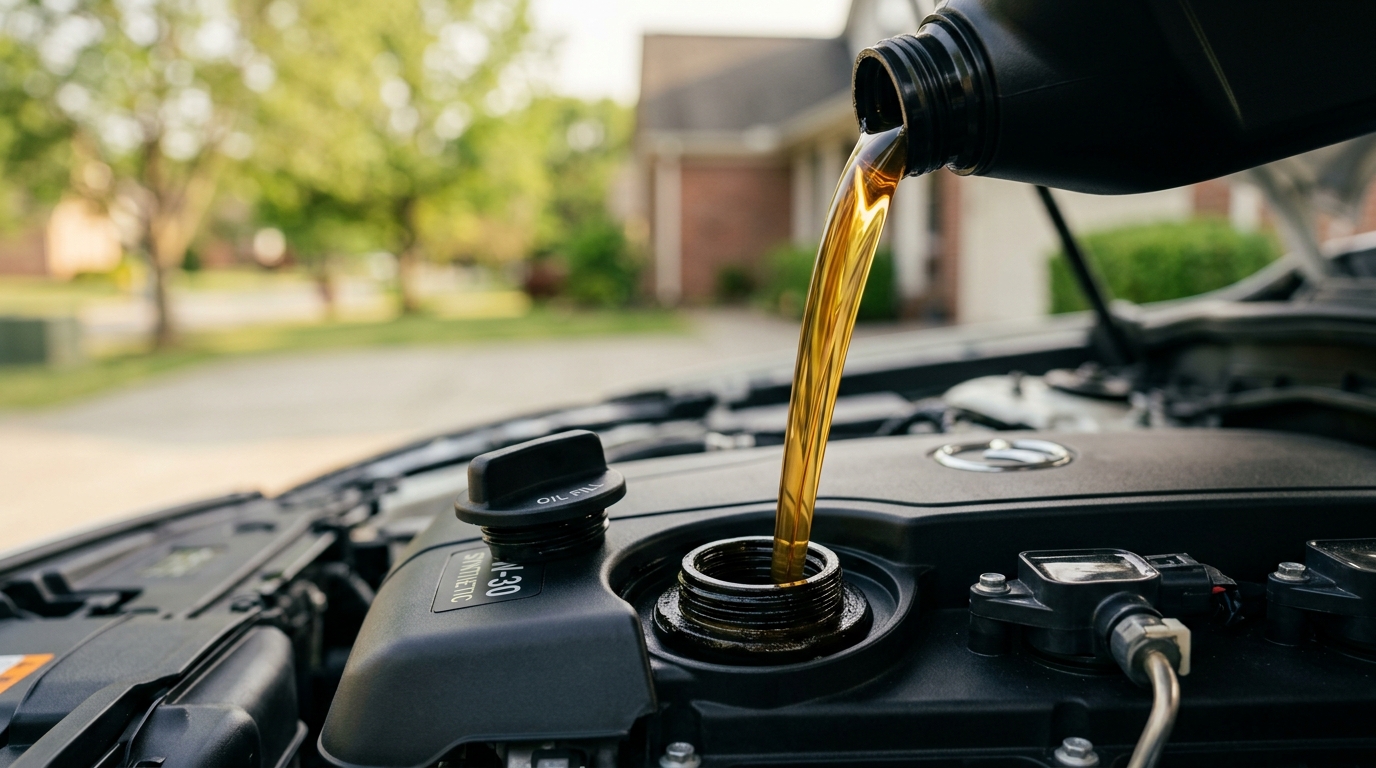
The fundamental difference between conventional and synthetic motor oil lies in the molecular structure and the refining process. Conventional oil is a mineral-based product refined from crude oil, containing molecules of varying sizes and shapes along with natural impurities like sulfur and wax. In contrast, full synthetic oil is chemically engineered in a laboratory to create a uniform molecular structure. This consistency allows the oil to flow more easily and reduces internal friction, which is vital for the tight tolerances found in modern Ford powertrains.
Engine protection is largely a matter of maintaining a stable oil film between moving metal parts. Because synthetic oils are built from high-quality base stocks, they offer superior resistance to thermal breakdown and oxidation. While conventional oil can thicken or turn into sludge when exposed to extreme heat, synthetic oil maintains its viscosity over a much wider temperature range. This stability is particularly important for drivers in Murfreesboro who face heavy stop-and-go traffic, as idling for long periods generates significant internal heat that can degrade lesser lubricants.
Cold-start protection is another area where synthetic fluids outperform traditional mineral oils. Most engine wear occurs in the first few seconds after you turn the key, before the oil has a chance to circulate. Synthetic oil remains fluid even in cold temperatures, reaching critical components like the valvetrain and bearings much faster than conventional oil. If you have questions about which fluid meets the specific WSS-M2C961-A1 performance specification for your vehicle, you can reach our team at (931) 536-4424 for a detailed consultation.
Maintaining a consistent schedule is the best way to ensure long-term reliability. Our technicians use specialized diagnostic tools to monitor oil life and ensure your engine remains free of harmful deposits. To keep your vehicle running at peak performance, you can easily schedule a service visit online with our factory-trained experts. If you are driving in from out of town, our Shelbyville service center is conveniently located to handle all your maintenance needs.
Table of Contents
- Evaluating the Cost and Value: Is Full Synthetic Oil Worth the Investment?
- The Truth About High-Mileage Engines: Will Synthetic Oil Cause Leaks?
- Finding the Balance: When to Choose a Synthetic Blend
- Professional Oil Service vs. Bringing Your Own Fluids
- Answers to Common Questions About Motor Oil and Vehicle Longevity
Evaluating the Cost and Value: Is Full Synthetic Oil Worth the Investment?
While the upfront cost of a full synthetic oil change is higher than a conventional service, the long-term value often offsets the initial price difference. The primary financial benefit comes from extended service intervals. Many full synthetic oils are formulated to last up to 10,000 miles or one year under normal driving conditions, whereas conventional oils typically require replacement every 3,000 to 5,000 miles. By reducing the number of visits to the shop each year, owners can save both time and money on labor and filter costs.
Beyond the interval itself, synthetic oil provides a higher level of protection for expensive engine components. For example, the turbochargers found in the 2.3L EcoBoost engine of the Ford Explorer rely on oil to lubricate a center shaft that can exceed 1,000 degrees. Conventional oil can "coke" or leave carbon deposits in these high-heat areas, leading to premature turbo failure. Synthetic oil’s resistance to thermal breakdown prevents these deposits, potentially saving you from a multi-thousand-dollar repair bill down the road.
Efficiency also plays a role in the value conversation. Because synthetic molecules are uniform and smooth, the engine encounters less internal resistance. This reduction in friction allows the engine to operate more efficiently, which can contribute to better fuel economy over the life of the vehicle. For those who perform their own maintenance or want to learn more about the specific filters and fluids required for their truck, our parts department stocks the exact OEM components needed to maintain factory standards.
Drivers who use their vehicles for heavy-duty tasks will see the most immediate benefit from synthetic lubricants. Whether you are hauling equipment or taking the Ford Ranger out for a weekend of trail riding, the added film strength of synthetic oil ensures that high-pressure contact points remain protected. This enhanced durability is an insurance policy for your engine, ensuring that the internal components stay clean and functional well past the 100,000-mile mark.
The Truth About High-Mileage Engines: Will Synthetic Oil Cause Leaks?
A common concern among owners of older vehicles is whether switching to synthetic oil will trigger new leaks. This misconception stems from the fact that synthetic oil has natural detergent properties that are much stronger than those found in conventional oil. In an older engine, years of using mineral oil may have allowed sludge and carbon deposits to build up around seals and gaskets. When synthetic oil is introduced, it begins to clean away this "false seal" of debris, which can reveal an existing leak that was previously masked by grime.
Modern synthetic formulations have evolved to address the needs of aging engines. High-mileage synthetic oils now include seal conditioners—additives designed to soak into old gaskets and help them swell slightly to regain their flexibility. This can actually help stop minor seeping in some cases. If you are curious about our commitment to keeping older vehicles on the road, you can read more about our service philosophy and our approach to long-term vehicle care.
For performance-oriented vehicles like the Ford Mustang, maintaining seal integrity is critical for consistent oil pressure. If an engine has been well-maintained with regular changes, switching to synthetic is generally safe regardless of the odometer reading. However, if an engine is currently leaking or has significant oil consumption issues, our technicians may recommend sticking with a high-mileage conventional or blend until the mechanical seals can be replaced.
Even newer technology, such as the electric-assist systems in the Ford F-150 Lightning, requires specialized cooling and lubrication fluids that share the same high-purity standards as synthetic motor oil. The goal is always to reduce friction and heat, which are the primary enemies of any mechanical system. If your vehicle is reaching a milestone mileage, a thorough inspection by a certified technician can determine if your gaskets are healthy enough for a transition to a full synthetic lubricant.
Finding the Balance: When to Choose a Synthetic Blend
A synthetic blend offers a middle ground for drivers who want better protection than conventional oil provides but are working with a different maintenance budget. These oils are a mixture of synthetic and conventional base stocks, providing improved oxidation resistance and better low-temperature flow than a standard mineral oil. For many vehicles, particularly those that do not feature turbochargers or high-performance tuning, a synthetic blend is the factory-recommended standard that balances cost with durability.
We often recommend synthetic blends for vehicles that see moderate duty cycles. If your daily routine involves a mix of highway driving and suburban errands in Shelbyville, a blend can provide ample protection against the moisture buildup and acid formation that occurs during short trips. To see why so many local drivers trust us with these maintenance decisions, you can learn more about why people choose our service center for their routine care.
Heavy-duty applications sometimes require a specific approach to lubrication. For instance, the high-torque demands placed on a Ford Super Duty often necessitate a high-quality blend or full synthetic to handle the extreme cylinder pressures. The additive packages in these oils include:
- Dispersants to keep soot and contaminants suspended so they can be trapped by the filter.
- Anti-wear agents like zinc and phosphorus to protect metal surfaces during high-load scenarios.
- Corrosion inhibitors to protect internal parts from the humidity common in Middle Tennessee.
Even as the industry moves toward electrified options like the Ford Mustang Mach-E, which uses specialized gear reduction fluids, the principle remains the same: the higher the quality of the lubricant, the longer the components will last. For most gasoline-powered Ford vehicles, a synthetic blend provides a significant step up in cleanliness and safety over conventional oil without the full cost of a 100% synthetic product.
Professional Oil Service vs. Bringing Your Own Fluids
When it comes to maintenance, the quality of the service is just as important as the quality of the oil. While some enthusiasts prefer to purchase their own oil and bring it to a shop, there are several benefits to using the fluids provided by a certified service center. Our facility uses Motorcraft oils that are specifically engineered to meet Ford's proprietary WSS specifications. This ensures that the additive package is perfectly matched to the metallurgy and seal materials used in your engine.
Using our in-house supplies also ensures a complete record of your maintenance history, which can be a significant asset for your vehicle's resale value. A documented history of using the correct, manufacturer-approved synthetic oil shows future buyers that the engine has been cared for without compromise. This is especially relevant for versatile vehicles like the Ford Maverick or the rugged Ford Bronco, where proof of proper maintenance can set a vehicle apart in the used market.
There are also logistical advantages to professional service. When we perform an oil change, it includes more than just a fluid swap. Our technicians conduct a multi-point inspection, checking for:
- Seeping gaskets or worn seals that might be hidden by the undertray.
- Proper torque on the drain plug and the use of a fresh crush washer to prevent leaks.
- The condition of other vital fluids, such as coolant and brake fluid.
For larger vehicles like the Ford Expedition, the sheer volume of oil required can make DIY changes or bringing your own oil a messy and inconvenient task. By trusting our team to provide the correct synthetic or blend, you ensure that the oil is disposed of properly and that your warranty remains fully protected by the use of approved parts and fluids.
Answers to Common Questions About Motor Oil and Vehicle Longevity
Q: Can I switch back to conventional oil after using synthetic? Yes, you can safely switch back to conventional oil if your engine does not specifically require synthetic from the factory. Modern engine oils are compatible with one another, so mixing them or switching between types will not damage your seals or internal components. However, you will lose the extended interval and high-heat protection benefits of the synthetic fluid.
Q: Does synthetic oil improve the resale value of my car? While there isn't a specific dollar amount added to a blue-book value, a consistent record of synthetic oil changes is a powerful selling point. It demonstrates to a potential buyer that the owner prioritized high-quality maintenance, which suggests the engine is free of internal sludge and excessive wear. This is particularly true for high-demand trucks like the Ford F-150.
Q: How do I know if my Ford requires full synthetic oil? The best way to verify your oil requirement is to check your owner's manual or look at the oil fill cap, which often lists the required viscosity. Most modern turbocharged EcoBoost engines and high-performance models require at least a synthetic blend, if not a full synthetic. You can also (931) 536-4424 to speak with a service advisor who can look up your specific VIN requirements.
Q: Does synthetic oil expire if I don't drive my car often? Oil does degrade over time due to oxidation and the accumulation of moisture, even if the vehicle isn't being driven. Most manufacturers recommend changing your oil at least once a year, regardless of mileage, to ensure that the additives remain effective and that moisture hasn't compromised the oil's ability to protect against corrosion.
Q: Is synthetic oil better for towing in the Tennessee heat? Absolutely. Towing increases engine load and operating temperatures significantly. Synthetic oil has a higher "shear stability," meaning it stays thick enough to protect your bearings under heavy pressure when conventional oil would thin out. For those frequently traveling through Manchester or hilly terrain, synthetic oil provides a necessary safety margin.
To ensure your vehicle receives the right grade of protection for your specific driving habits, come see our experts in person. You can find our location in Shelbyville easily to discuss your next maintenance interval and choose the best fluid for your engine's longevity.
© 2026 Newton Ford South. All rights reserved.